
Updated January 2026
Bunions are not directly caused by shoes; they are primarily a result of inherited foot structure and mechanics. While tight or poorly fitting footwear can aggravate the condition and accelerate its progression, the underlying cause is a structural misalignment of the bones in the foot. This common deformity, known medically as hallux valgus, involves the big toe leaning toward the second toe, creating a bony bump on the joint.
Key Takeaways:
- Genetic Roots: Bunions are primarily caused by inherited foot structure rather than footwear choices alone.
- Progressive Nature: As a structural deformity, bunions typically worsen over time if left unmanaged.
- Footwear’s Role: Tight or narrow shoes do not cause deformity, but they do act as a catalyst for pain and inflammation.
- Stability Risk: For those over 70, bunions are a significant risk factor for balance issues and falls.
- Treatment Path: Care ranges from custom orthotics and roomier footwear to surgical realignment for severe cases.
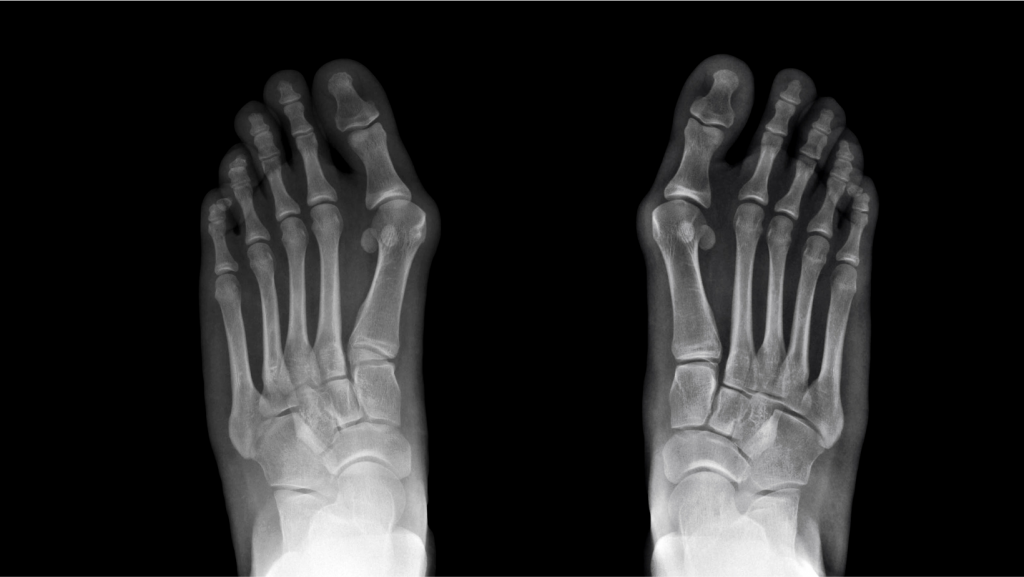
What Exactly Is a Bunion?
A bunion is more than just a bump on the side of the toe. It is a progressive misalignment of the first metatarsophalangeal (MTP) joint.
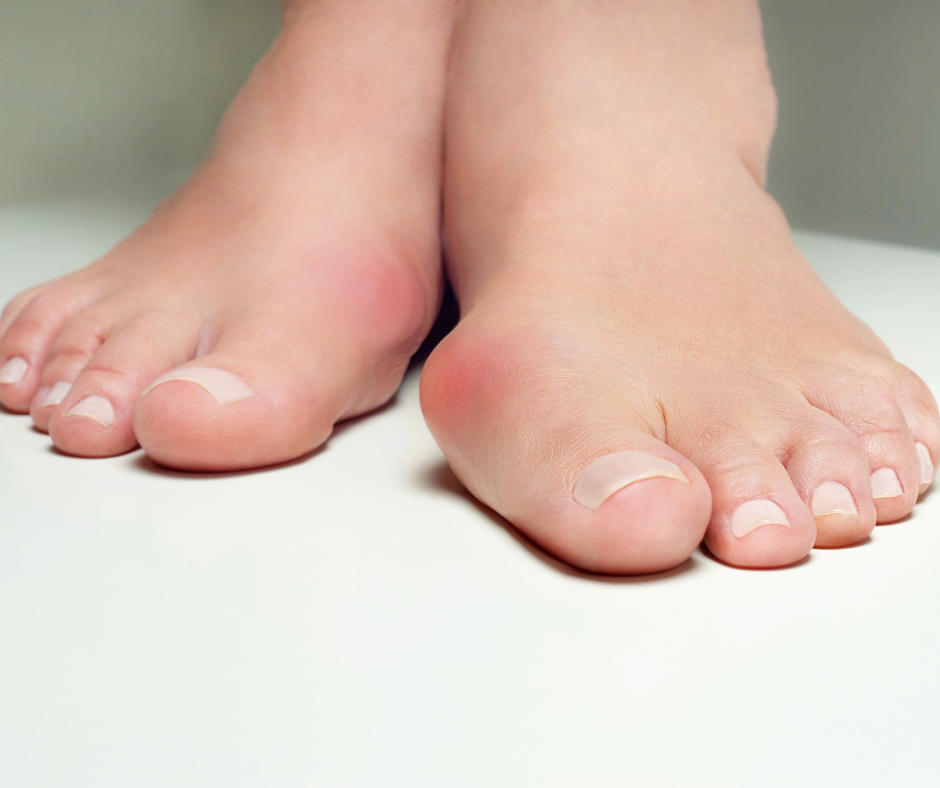
When the long bone of the foot (the first metatarsal) shifts outward and the big toe shifts inward, the joint sticks out. This creates a bony protuberance that can become swollen, red, and painful. Because bunions are structural, they typically worsen over time without intervention.
Common Symptoms
- A visible bulge on the outside of the base of the big toe.
- Swelling, redness, or soreness around the big toe joint.
- Thickening of the skin at the base of the big toe.
- Corns or calluses where the first and second toes rub together.
- Persistent or intermittent foot pain.
Why Do Bunions Develop?
While many people blame “high heels” for their bunions, the reality is more complex. Understanding the root cause helps in choosing the right treatment.
- Most people inherit a foot type that is prone to bunions. If your parents had them, you are at a significantly higher risk due to the shape and structure of your bones.
- Over-pronation (flat feet) or abnormal gaits put excessive pressure on the big toe joint, forcing it out of alignment over thousands of steps.
- Medical conditions like rheumatoid arthritis can increase the likelihood of developing deformities in the small joints of the feet.
Did you know?
Roughly 1 in 5 women suffer from bunion deformities, and adults over 70 with bunions are statistically more likely to experience falls due to decreased stability.
How Are Bunions Diagnosed?
A professional diagnosis is essential to determine the severity of the misalignment. At Southwest Foot and Ankle Centre, our process includes:
- Medical History: Discussing your symptoms, activity levels, and family history.
- Physical Exam: Checking the range of motion in your toe and looking for signs of redness or swelling.
- X-ray Analysis: Your podiatrist may request weight-bearing X-rays to see the specific angle of the bones and check for arthritis within the joint.
Treatment Options for Bunion Pain
Bunion treatments are typically surgical, although pain may be managed through non-surgical means.
Non-Surgical Management
- Footwear Changes: Switching to shoes with a wide toe box to reduce pressure.
- Custom Orthotics: Specialist insoles to correct foot mechanics and take pressure off the joint.
- Ice and Medication: Using ice packs and over-the-counter anti-inflammatories to manage acute swelling.
- Padding and Taping: Applying “bunion pads” to prevent friction against shoes.
Surgical Intervention
If conservative treatments fail and pain affects your quality of life, a referral to a foot and ankle surgeon may be necessary. Bunion surgery typically involves removing the bony projection and performing a controlled cut (osteotomy) to realign the bone into its correct position.
Frequently Asked Questions
Can bunions go away on their own?
No. Because a bunion is a structural change in the bone, it will not disappear without surgery. However, its progression can be slowed.
Do I have to stop wearing heels?
While heels don’t cause bunions, they can make them much more painful and accelerate the deformity. It is recommended to limit the time spent in narrow, high-arched shoes.
Will my bunion get worse if I ignore it?
Generally, yes. Untreated bunions often lead to secondary issues like hammertoes, calluses, and “metatarsalgia” (pain in the ball of the foot).
Expert Care at Southwest Foot and Ankle Centre
Most patients successfully manage bunion pain and prevent complications through a structured treatment plan. If symptoms persist or the deformity impacts your daily life, our podiatrists can provide a referral to our foot and ankle surgeon for a specialist surgical opinion.
View our other informational podiatry blogs or visit our podiatry services page to explore our full range of treatments.
Contact Southwest Foot and Ankle Centre on 08 9791 1319 or email at info@swfootandankle.com.au